Abstract Elegant Flower Embroidery Review
A First Look at the Design
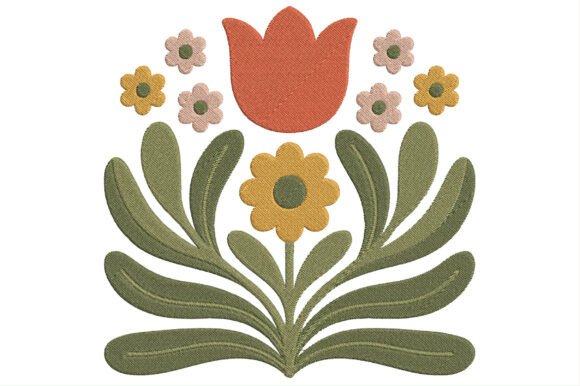
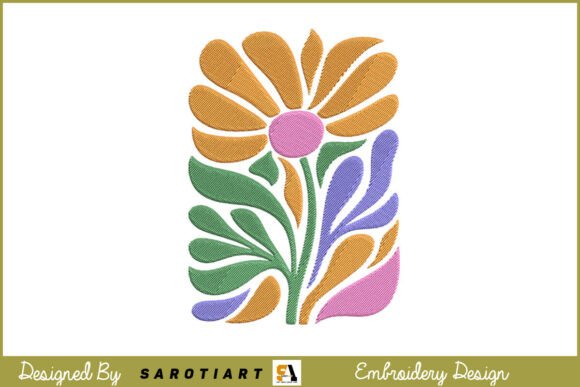
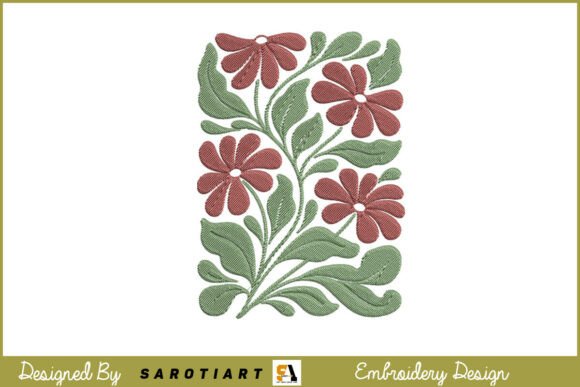
At first glance, Abstract Elegant Flower Embroidery feels like a breath of fresh air in the world of embroidery. It carries a quiet sophistication that speaks to both minimalism and artistry. The design is not overly detailed but has enough structure to stand out without overwhelming the fabric it's stitched onto. Its flowing lines and soft curves give it a gentle, almost organic feel, making it ideal for projects that lean into elegance and simplicity.
The theme of this Single Flowers design is subtle yet expressive. It’s not about realism; instead, it leans into abstraction with a touch of whimsy. This makes it versatile—whether you're aiming for a modern look or something more romantic, Abstract Elegant Flower Embroidery adapts well.
Real-Life Use: A Custom Tote Bag Example
Let’s imagine preparing a custom embroidered tote bag using Abstract Elegant Flower Embroidery. I’d start by considering how the design would interact with the fabric. On a medium-weight cotton tote, the flower would pop nicely, especially if paired with a muted thread color like sage green or soft gray. The design’s open spaces allow for breathing room, which is important on larger items where too much detail can feel cluttered.
If I were creating a personalized gift, say for a new mother, this design could be stitched onto a baby onesie or a nursing cover. The softness of the lines would complement the delicate nature of such items, while still offering visual interest. For a craft business or Etsy seller, this could easily become a signature piece, especially when paired with complementary elements like monogramming or small accents.
On a sweatshirt or t-shirt, Abstract Elegant Flower Embroidery would work best as a central feature, perhaps placed near the hem or on the back. The size and shape make it suitable for hoop sizes around 5x7 inches, though I’d test it on scrap fabric first to confirm stitch density and how it sits on different materials.
Where to Use with Caution
While Abstract Elegant Flower Embroidery is a strong design, there are some scenarios where care should be taken. On very thin or stretchy fabrics like rayon or spandex, the design might lose definition or shift slightly during washing. Using a proper stabilizer becomes crucial here to maintain its integrity.
Similarly, when working with dark-colored fabrics, I’d recommend selecting thread colors that offer good contrast. Otherwise, the subtlety of the design may be lost. If planning to use it on curved surfaces like caps or hats, I’d check how the design translates when hooped and whether any adjustments are needed for the curve.
For commercial embroidery projects, especially those involving frequent washing or heavy use, testing on multiple fabric types and ensuring the design holds up under stress is essential. This includes checking how the embroidery file behaves with different stitch types—like satin or fill stitches—that might affect durability.
Design Impact on Product Value and Appeal
One of the strengths of Abstract Elegant Flower Embroidery is its ability to elevate a product without overpowering it. Whether it's a handmade product like a pillow cover or a small shop product such as an apron, this design adds a layer of refinement that customers often associate with quality and thoughtfulness.
From a craft business perspective, using this design can enhance brand consistency, especially if other designs follow a similar aesthetic. It also increases giftability, as it feels both personal and elegant—perfect for holiday gifts, wedding favors, or boutique branding.
When used in printable mockups or digital product previews, the clean lines of Abstract Elegant Flower Embroidery ensure clarity and professionalism. It helps buyers visualize the final finished product accurately, building trust and engagement before purchase.
Practical Embroidery Designer Notes
Before using Abstract Elegant Flower Embroidery in any project, I always suggest testing it on scrap fabric. This allows you to assess how the stitch density affects the fabric and whether the design needs any tweaks. Checking thread colors against different backgrounds is also key, especially if you plan to offer multiple color options.
Reviewing the hoop size required for the design ensures you’re prepared for the setup. If the design includes small details, testing it in black and white mockups can help identify potential issues with visibility on certain fabrics.
Always confirm the license terms before selling finished items or digital products. This avoids legal complications down the line, particularly for Etsy sellers or digital product sellers.
Finally, don’t forget to use the right stabilizer depending on the fabric type. This step is critical for maintaining the quality and longevity of your embroidered patch, sweatshirt embroidery, or any embroidery project you undertake.